I know that my class explored game spaces, stories and maybe also genres but I’m afraid I missed this week due to house inspections as I am currently looking for a new place to live. Alas the homework continues and must be done.
Ludonarrative Dissonance
So this week the biggest subject of discussion is a games ludonarrative dissonance. Now forgive me if I’m wrong but from what I have read this term essentially means the conflict between the narrative told by the games story itself and then the narrative told by the gameplay. Before I talk about the review itself for this week I’ll give my personal thoughts on this.
So to me, gameplay has always mattered first. If the game plays awful than even a good narrative can’t save it. But good gameplay can save a bad narrative. Now ludonarrative dissonance (now that I know what it is) has never been too much of an issue. Two games however do stand out to me. This would be Tomb Raider (2013) and Marvels Spider-Man (2018).
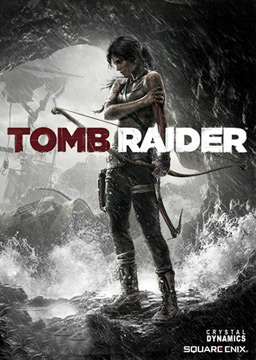
Cover Art – Tomb Raider 2013 
Cover Art – Spider-Man 2018
To keep it short and sweet Tomb Raiders story explores Lara as she just begins adventuring with unique events such as the first time she kills someone, the first she handles a gun etc. But gameplay wise an experienced player will suddenly turn Lara into a gun slinging super soldier. These two different narratives obviously clash immensely.
Spider-Man is slightly different. While the gameplay and narrative are actually presented identically (enemies hit with realistic damage etc). However the game fails to put a sense of urgency onto some of the story missions. For example there is a mission at one point when Doctor Octavius calls Peter back to the lab in a rush (It is implied you are supposed to go there instantly) but I did side missions and found collectables for about 3 in game days and when I finally got around to the mission it was as if I was there straight away after he called me. Of course this doesn’t bother most players because most would rather to be able to do that mission in their own time than be forced to go there when they are in the middle of doing another objective.
These were just some things I picked up on when learning what the term ludonarrative dissonance actually meant. THESE ARE NOT COMPLAINTS. I personally enjoyed both these games a lot. Now onto the review.
Clint Hocking’s Ludonarrative Dissonance in Bioshock
Now looking strictly at this subject in conjunction with Hockings post about Bioshock. This personally is a tough subject for me to talk about and review as I personally haven’t played Bioshock. I would definitely suggest going and reading the original critique by Hocking first. It can be found here.
https://clicknothing.typepad.com/click_nothing/2007/10/ludonarrative-d.html
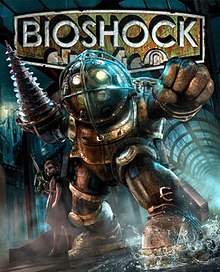
Bioshock Art 2007 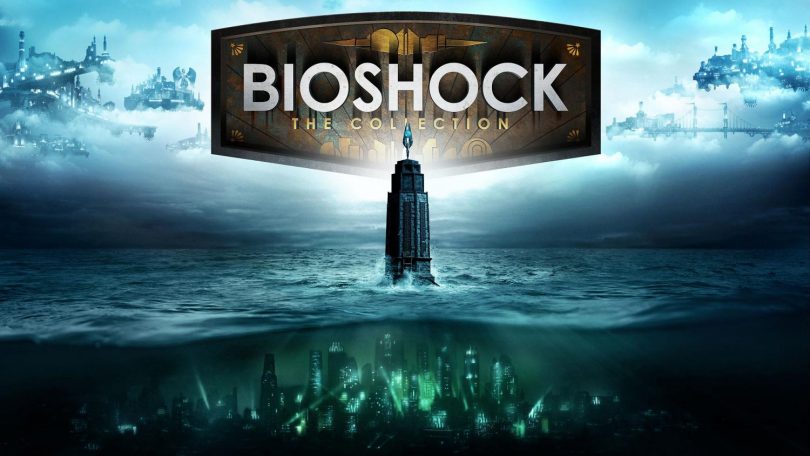
Bioshock Remastered Collection Art – 2016
From what I understand Bioshock heavily explores ‘Randian Objectivism’. This is the idea that whatever helps you get ahead is morally the correct choice. The biggest example of this being the characters called ‘little sisters’. This mindset would bring you to believe that harvesting these little sisters to gain more Adam (the games upgrade points) is the choice to make instead of saving them. This however can of course conflict with the players emotions as you are basically condemning these little girls to death.
Now as Hocking points out, narratively we are given no choice but to help this character called Atlas to progress later in the game. This completely opposes the Randian way of thinking and the only reason we are given is because the story tells us to.
Personally I can see why this is disturbing for some players. But me personally, I am not bothered and I don’t think I really ever will be unless it is done drastically badly.
What do you think of what Hocking says? Are you bothered by any of this?
-T.Styles
 The Studies & Reviews of a Game Development Student